
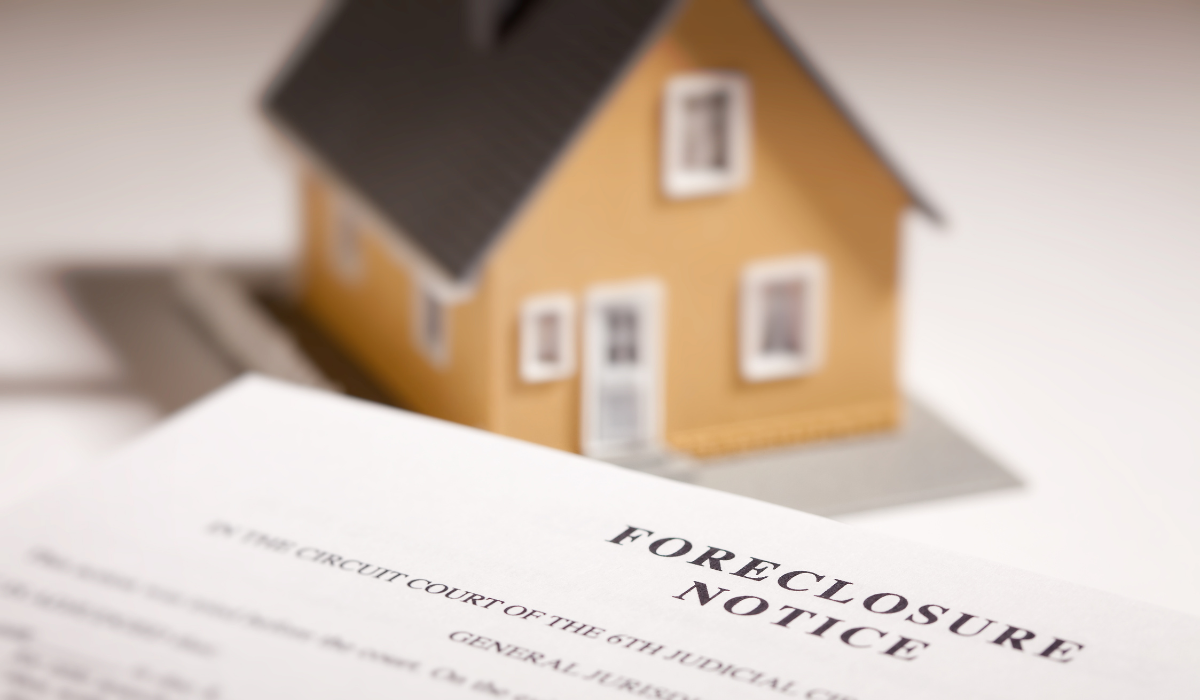
Recent headlines about foreclosure activity in the Tampa Bay market have understandably raised concerns among property owners and real estate investors. Some clickbait-y national real estate trend reports imply a sudden spike in foreclosures in the Tampa area, which is not the case. These reports lack local context and misuse real estate terms to boost open rates and social media shareability. This has created chatter in our community that market conditions in Tampa are deteriorating, which is not the case.
Sustained financial breakdowns drive foreclosure at the property level. Missed mortgage payments, prolonged vacancies, unmanaged expenses, or legal and compliance mistakes can lead to foreclosure. In most cases, these scenarios are preventable with active, professional property management.
Investors who are focused on long-term performance (rather than short-term noise) know that professional property management of their portfolio – whether it’s one SFH or a large multi-family property – is one of the things that keeps their investments safe.
The COVID Effect: Why Today’s Numbers Look Elevated
To understand current Tampa foreclosure data, you have to account for the unprecedented market conditions created during and immediately after COVID.
From 2020 through much of 2022, foreclosure activity was artificially suppressed by federal and state-level interventions, including mortgage forbearance programs, foreclosure moratoriums, and loan modification initiatives. Millions of borrowers entered temporary forbearance during this period, dramatically reducing foreclosure filings nationwide.
As those protections expired, deferred filings began to re-enter the system. This has caused foreclosure activity to appear elevated relative to the unusually low baseline established during the pandemic, rather than relative to historical norms.
In other words, current data reflects a return to normal processing, not a sudden deterioration in borrower behavior or market fundamentals.
This distinction matters. Comparing today’s filings to COVID-era lows creates a misleading impression of a “spike,” when the reality is a correction from an abnormal period, not a departure from long-term trends.
Foreclosure Starts With Cash Flow Disruption
Foreclosure occurs when borrowers repeatedly fail to meet their loan obligations. Market volatility alone does not cause foreclosure. Instead, default typically follows a breakdown in income stability, expense control, or intervention timing.
For rental property owners, the most common contributors to foreclosure risk include:
Inconsistent rent collection
Extended vacancy periods
Deferred maintenance leading to large, unexpected expenses
Legal or compliance errors that delay rent recovery or put them in hot water financially
Active property management exists to address these risks early, before they escalate into financial distress.
Tenant Screening Is the First Line of Defense
Poor tenant placement is one of the most preventable contributors to financial instability.
Professional property management companies follow elevated screening practices that may include credit history review, income verification, employment confirmation, and rental history checks, all conducted in compliance with Fair Housing laws.
Thorough screening reduces late payments, evictions, and early lease terminations. These operational issues interrupt income streams and increase exposure to financial strain.
Preventing a problem tenancy is far more effective than reacting to one.
Consistent Rent Collection Is A Must
The most direct way property management helps prevent foreclosure is by stabilizing cash flow.
Professional property managers implement structured rent collection systems that include:
Online payment portals, to make paying rent easy
Enforced due dates and late policies
Clear tenant communications (like rent reminder) and documentation
Immediate follow-up on delinquencies
Consistent rent collection allows owners to meet mortgage obligations, insurance premiums, and tax payments on time. A temporary income disruption can compound financial stress quickly if left unmanaged. By maintaining reliable rent flow, property management directly reduces the likelihood of default.
Vacancy Control Protects Mortgage Stability
Vacancy is obviously one of the fastest ways a performing rental property becomes financially stressed.
Active property management mitigates vacancy risk through:
Market-driven pricing strategies
Proactive lease renewal management
Professional marketing and listing distribution
Coordinated unit turnover
Lower vacancy periods preserve income continuity. Mortgage payments, insurance, and property taxes do not pause during vacancies.
Preventive Maintenance Prevents Cost Shocks
Deferred maintenance is a frequently overlooked foreclosure risk.
Routine inspections and preventative maintenance help identify issues before they escalate into high-cost repairs. Proactive maintenance programs (such as replacing air filters) reduce long-term operating costs and protect asset value.
By spreading maintenance costs over time and addressing problems early, owners avoid sudden expenses that can strain cash reserves and disrupt mortgage payments.
Legal Compliance Prevents Unexpected Expenses
Landlord-tenant law is complex and constantly evolving. Mistakes in notice requirements, lease enforcement, or eviction procedures can lead to prolonged nonpayment, court delays, and unnecessary legal expenses.
Professional property managers stay current on applicable laws and ensure proper documentation and process compliance. By avoiding procedural errors, owners reduce the risk of income disruption caused by avoidable legal delays.
Legal compliance is a form of income protection.
Eviction Prevention Is Financial Protection
While eviction is sometimes necessary, it is also one of the most disruptive and costly events for a rental property owner.
Active management emphasizes tenant screening, early and frequent communication, lease enforcement, and resolution strategies designed to prevent eviction when possible. When eviction is unavoidable, experienced managers execute the process efficiently and correctly, minimizing costs and rent flow downtime.
Foreclosure Filings Are Not Foreclosures
In current headlines, the terms “Foreclosure” and “Foreclosure Filing” are being used interchangeably, which is a colossal error.
Foreclosure filings involve multiple stages of the foreclosure process, many of which are resolved before a property is lost, and actual foreclosure never occurs. Loan modifications, repayment plans, refinances, and negotiated sales frequently prevent foreclosure completion.
This distinction was emphasized during a recent Tampa Bay 28 news segment featuring Dave Sigler, broker and founder of Vintage Real Estate Services, alongside Nick Davis of RE/MAX Premier Group.
Foreclosures Represent a Fraction of Active Inventory
During the segment, Davis provided critical local context that is often missing from national rankings.
According to MLS-level data cited in the interview, approximately 37 foreclosed properties are currently listed (as of December 10, 2025) among more than 5,000 active listings in the Tampa Bay market. That represents a fraction of a percent of total inventory!
This distinction matters. While filings may fluctuate due to reporting backlogs or administrative timing, active inventory reflects real, market-ready supply. Contrary to the message of certain headlines, foreclosed properties are not “flooding” the Tampa Bay market, driving prices, or signaling systemic distress.
From an investor standpoint, this means:
Foreclosures are not materially impacting inventory levels
Distressed assets are not driving market behavior
Current conditions do not resemble past foreclosure crises
Measured against actual supply, the data supports stability rather than alarm.
Stability Comes From Operations, Not Headlines
Market cycles are inevitable. Operational breakdowns are not.
Investors who rely on active property management are better positioned to navigate affordability pressures, insurance increases, tax adjustments, and temporary market corrections without defaulting on their obligations.
To prevent foreclosure, professional property management can improve:
Income consistency
Expense management
Tenant quality
Legal compliance
Asset preservation
Professional Management Is Risk Management
In uncertain markets, execution matters more than sentiment. Professional property management does not eliminate risk, but it significantly reduces the likelihood that temporary challenges escalate into permanent financial damage. For investors focused on long-term performance, professional management is not a luxury … it is a foundational risk-mitigation strategy.